The L Phrase: Era Q’s Predecessor – A Look Again at Season 1’s Groundbreaking Influence
Associated Articles: The L Phrase: Era Q’s Predecessor – A Look Again at Season 1’s Groundbreaking Influence
Introduction
With enthusiasm, let’s navigate by the intriguing matter associated to The L Phrase: Era Q’s Predecessor – A Look Again at Season 1’s Groundbreaking Influence. Let’s weave attention-grabbing data and supply contemporary views to the readers.
Desk of Content material
The L Phrase: Era Q’s Predecessor – A Look Again at Season 1’s Groundbreaking Influence
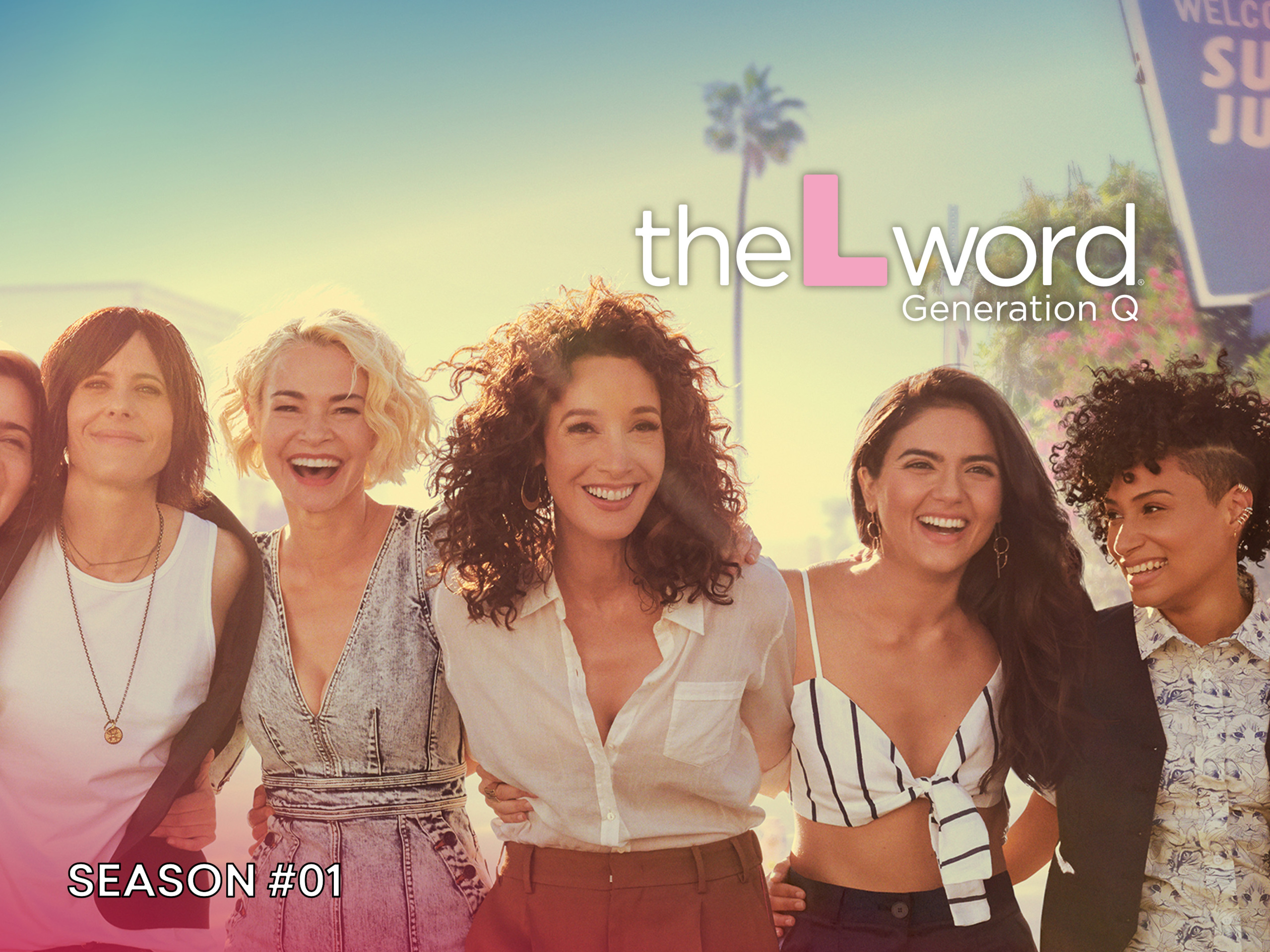
Showtime’s The L Phrase, premiering in 2004, wasn’t only a present; it was a cultural phenomenon. Its first season, now available for on-line streaming, stays a landmark achievement in LGBTQ+ illustration on tv, regardless of its flaws considered by a contemporary lens. This exploration delves into the groundbreaking elements of The L Phrase season 1, analyzing its strengths, weaknesses, and enduring legacy in shaping the panorama of queer storytelling.
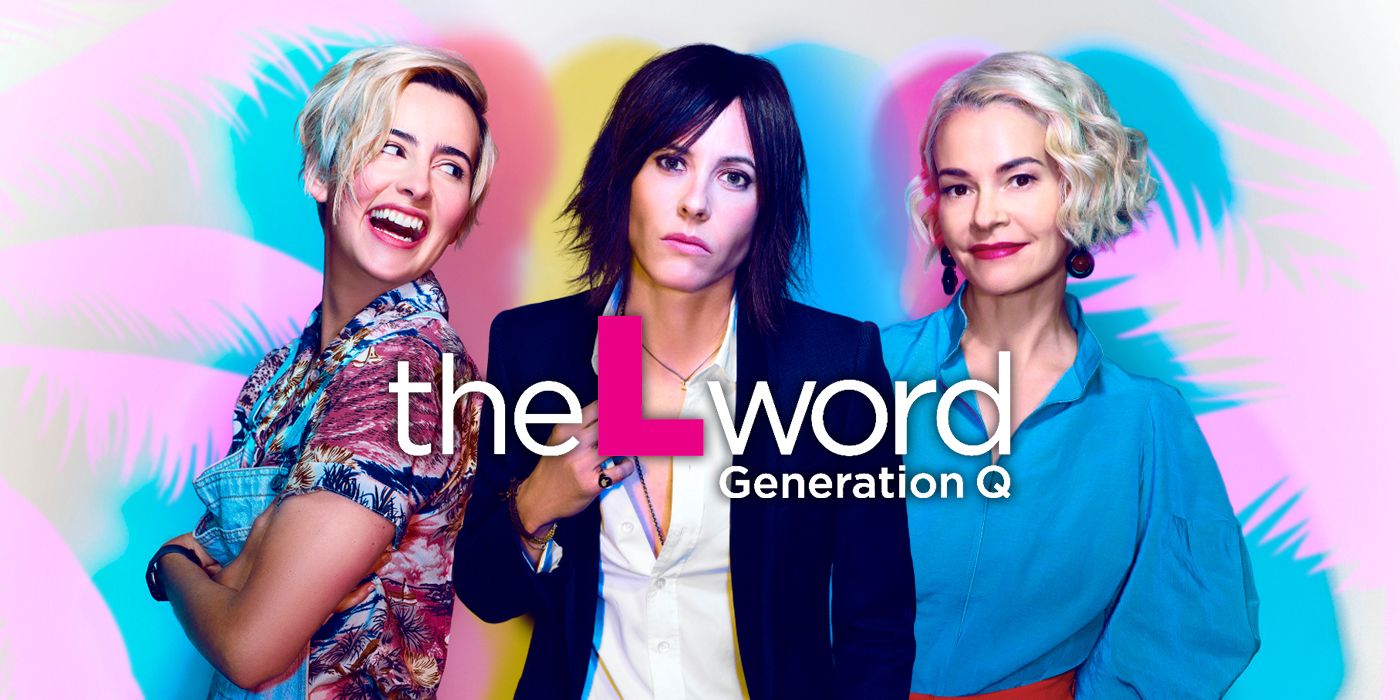
The preliminary premise was easy, but revolutionary: a bunch of lesbian and bisexual girls navigating love, careers, and friendships in Los Angeles. The present centered round Bette Porter (Jennifer Beals), a fiercely unbiased artist struggling together with her relationship and profession; Tina Kennard (Laurel Holloman), a profitable lawyer grappling with dedication points; and Shane McCutcheon (Katherine Moennig), a charismatic and unapologetically sexual hairstylist. These three girls fashioned the core of the ensemble, their interconnected lives offering the spine for the season’s narrative.
Season 1’s success stemmed from its willingness to painting lesbian lives with nuance and complexity, a stark distinction to the stereotypical representations prevalent in mainstream media on the time. The characters weren’t merely outlined by their sexuality; they had been multifaceted people with various personalities, ambitions, and flaws. Bette’s ambition typically clashed together with her want for a steady relationship, Tina struggled together with her internalized homophobia and concern of dedication, and Shane’s carefree exterior masked a deep-seated insecurity. This portrayal of life like, flawed characters resonated deeply with audiences who, for the primary time, noticed themselves mirrored on display in a approach that felt genuine and relatable.
The present tackled essential themes with a stage of honesty not often seen on tv. The exploration of relationships – each romantic and platonic – was notably noteworthy. The L Phrase did not shrink back from depicting the complexities of lesbian relationships, together with the challenges of communication, jealousy, and navigating societal expectations. The exploration of various relationship dynamics, from the passionate depth of Bette and Tina’s relationship to the extra informal encounters of Shane, broadened the understanding of lesbian relationships past a singular narrative.
Nonetheless, season 1, like the remainder of the sequence, wasn’t with out its criticisms. The present’s predominantly white, prosperous forged drew criticism for its lack of range, failing to symbolize the complete spectrum of the lesbian expertise. The portrayal of ladies of shade, notably Alice Pieszecki’s (Leisha Hailey) relationship with a Latina girl, was typically perceived as stereotypical and underdeveloped. This lack of illustration, whereas comprehensible given the restrictions of the time, stays a big flaw that considerably impacts its legacy.
Moreover, the present’s portrayal of intercourse and sexuality, whereas groundbreaking for its time, can really feel considerably dated right now. Some scenes, considered by a contemporary lens, is likely to be thought-about gratuitous or missing the sensitivity that up to date LGBTQ+ storytelling prioritizes. The present’s give attention to a particular demographic inside the LGBTQ+ group additionally restricted its attain and total illustration.
Regardless of these criticisms, the influence of The L Phrase season 1 can’t be overstated. For a lot of viewers, notably those that grew up feeling marginalized and unseen, the present offered a way of belonging and validation. It provided a glimpse right into a world the place lesbian relationships weren’t solely normalized however celebrated, the place advanced feelings and experiences had been explored with honesty and sensitivity. The present’s recognition paved the best way for extra inclusive and various LGBTQ+ illustration on tv, inspiring future reveals to sort out comparable themes with higher depth and nuance.
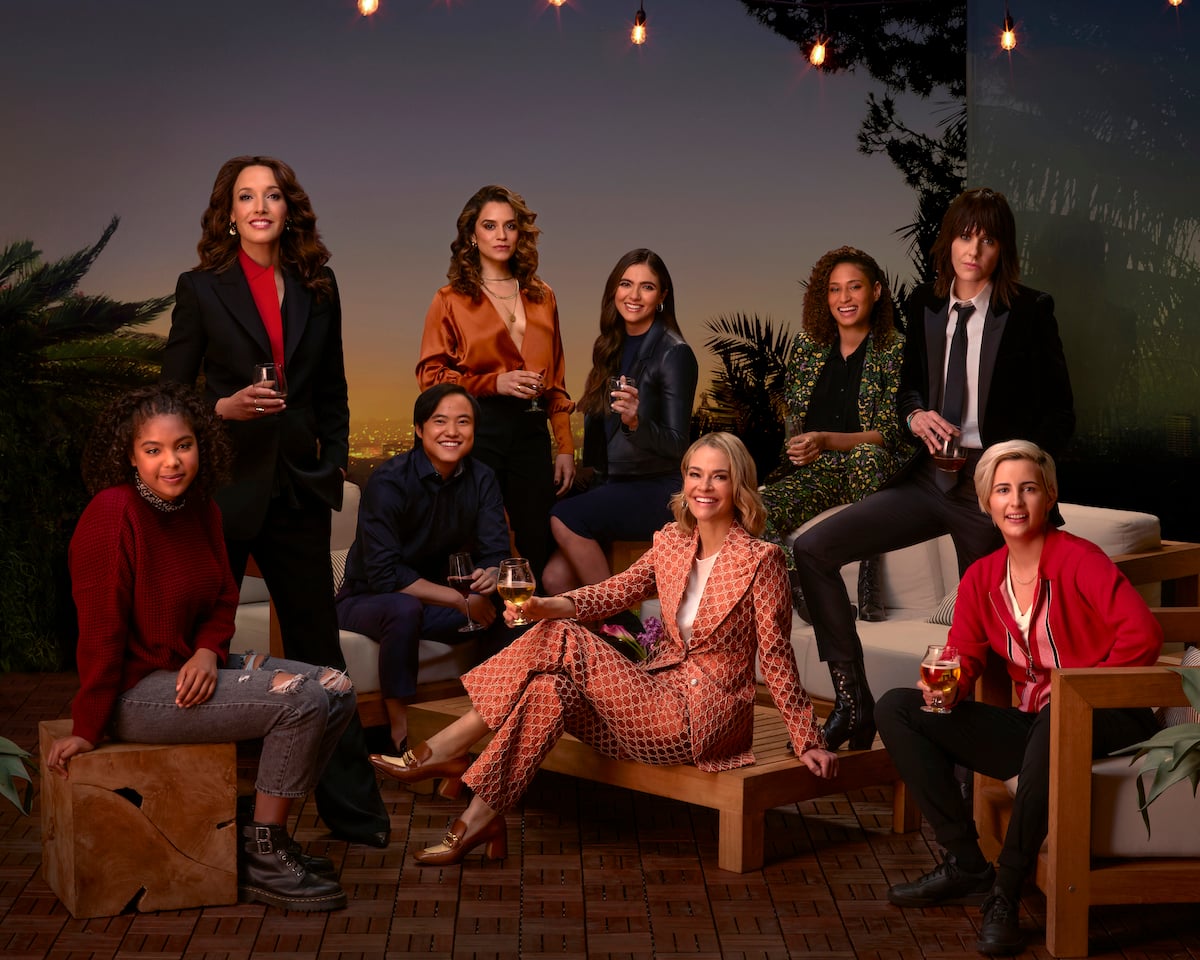
The present’s success additionally lay in its compelling ensemble forged. Jennifer Beals, Laurel Holloman, and Katherine Moennig delivered highly effective performances, creating characters that had been each relatable and aspirational. The chemistry between the actors was palpable, making the friendships and romantic relationships really feel genuine and emotionally resonant. The supporting forged, together with Mia Kirshner as Jenny Schecter, Pam Grier as Equipment Porter, and Sarah Shahi as Carmen de la Pica Morales, added depth and complexity to the narrative. Every character introduced their very own distinctive perspective and challenges to the desk, enriching the general storytelling.
Furthermore, the present’s setting in Los Angeles contributed to its total attraction. The colourful backdrop of the town offered a visually interesting setting for the characters’ lives, reflecting their ambition, independence, and freedom. The depiction of the Los Angeles lesbian group, with its various social circles and occasions, added to the present’s realism and immersive high quality. The present efficiently captured the power and pleasure of a particular time and place, contributing to its total cultural significance.
The accessibility of The L Phrase season 1 by way of on-line streaming companies has ensured its continued relevance. New audiences can uncover the present and recognize its groundbreaking influence, whereas longtime followers can revisit a beloved piece of tv historical past. Nonetheless, it is essential to observe the season with a important eye, acknowledging its limitations and recognizing the progress that has been made in LGBTQ+ illustration since its preliminary airing.
In conclusion, The L Phrase season 1, whereas not with out its flaws, stays a big milestone in LGBTQ+ tv historical past. Its portrayal of lesbian lives with complexity and nuance, its exploration of essential themes, and its compelling ensemble forged solidified its place as a cultural touchstone. Its accessibility on-line permits new generations to expertise its influence, whereas prompting reflection on the journey of LGBTQ+ illustration on display and the continued want for inclusive and genuine storytelling. It serves as a reminder of how far we have come, and the way far we nonetheless have to go in creating really consultant and equitable media. The present’s legacy isn’t merely in its leisure worth, however in its contribution to a extra inclusive and understanding world.



Closure
Thus, we hope this text has offered helpful insights into The L Phrase: Era Q’s Predecessor – A Look Again at Season 1’s Groundbreaking Influence. We recognize your consideration to our article. See you in our subsequent article!